
MyPetESA guidance
How to Set Up a Pet Supply Station in a Small Apartment
Give your emotional support animal’s daily supplies a dedicated home with a small-space setup for walks, feeding, cleanup, and handoffs.
Updated November 20, 2026
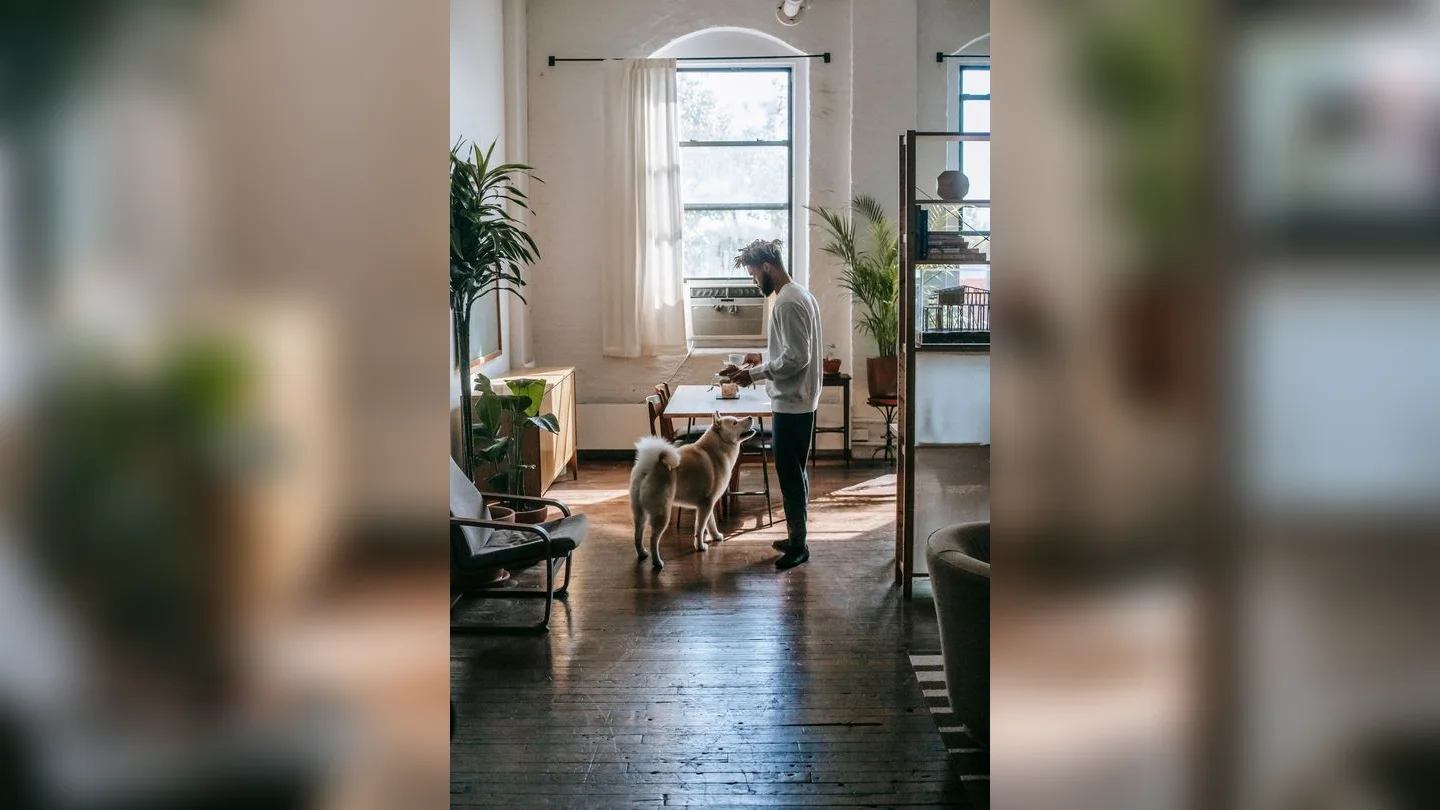
A missed leash or an empty bag dispenser can slow down a routine you rely on every day. A pet supply station puts the items you reach for together in one predictable spot, even when the only space you have is a shallow shelf or one cabinet.
Set up where the task happens
Walk through a normal morning and note where you actually use each item. Put a leash, harness, and waste bags near the door if that is where walks start. Keep food and measuring supplies near the feeding area. Place a washable towel near the spot where you usually wipe wet paws. The goal is to finish each routine without searching several rooms.
If you share an apartment, pick locations with your roommate. Before adding a basket near an entry, check that it leaves space for the door to swing and for people to pass. A small tray inside a cabinet works when the hallway is already crowded.
Sort out daily supplies and refills
- **Walk tray.** Store a leash, harness, filled bag dispenser, and towel together. Hang the leash in the same spot after each outing.
- **Feeding shelf.** Keep the current food container and scoop together. Keep the package label available so you can check the product or reorder it later.
- **Cleanup bin.** Give spare bags, washable cloths, and other routine supplies one place. Store cleaning products securely according to their labels.
- **Refill spot.** Set aside a single place for unopened supplies. When you open the last refill, add it to your shopping list.
Choose containers you can carry, wipe, and return easily. Clear labels matter most when another person feeds or walks your animal while you’re away.
Make the setup work for a second caregiver
Ask your backup caregiver to find the leash or scoop using your directions alone. If the directions take more than a sentence, simplify the location or add a label. Put feeding and walking instructions somewhere the caregiver can find them. Useful details include where the equipment lives, what to replenish and how to reach you. Keep clinical records and paperwork in your private files.
Try a five-minute weekend reset
On the same day each week, restock bags, put away supplies that migrated to other rooms, and add anything running low to the shopping list. If an item routinely ends up somewhere else, move its storage spot closer to where you use it. After a week, keep the locations that worked and adjust any that added steps.
Start with the part of the day you find most frustrating. One tray that makes the morning walk easier is enough to test the system. Find more day-to-day ESA care ideas in the MyPetESA resource library.