MyPetESA guidance
Emotional Support Cats: Everything You Need to Know
For some people, a cat is more than a household pet. Its presence can provide comfort, companionship, and a sense of routine during difficult periods. When that support is connected to a person's disability, the cat may qualify as…
Updated October 14, 2026
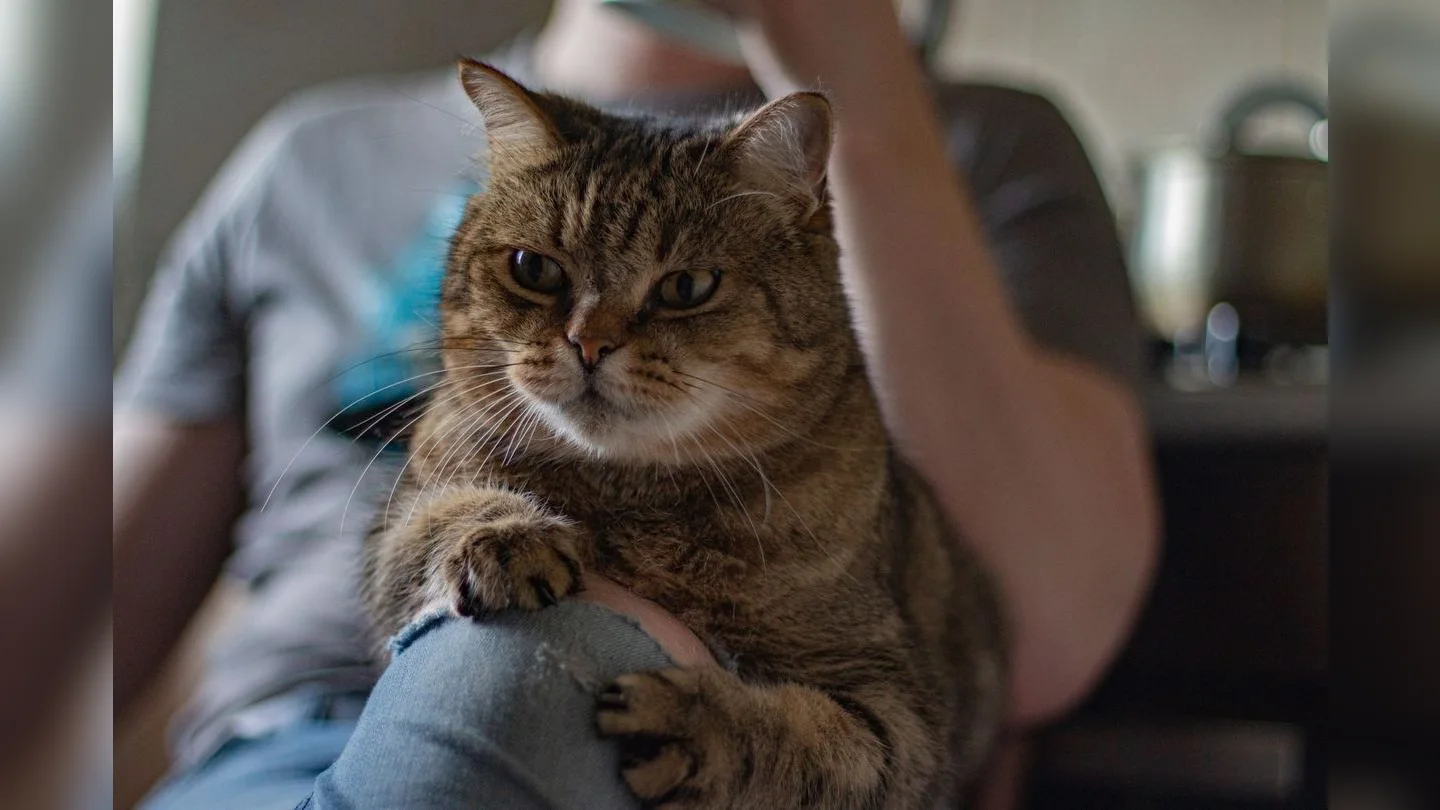
Illustrative stock photo; not actual MyPetESA clients or providers. Photo: Pexels.
For some people, a cat is more than a household pet. Its presence can provide comfort, companionship, and a sense of routine during difficult periods. When that support is connected to a person's disability, the cat may qualify as an emotional support animal (ESA) under applicable housing rules.
If you are researching an emotional support animal cat, wondering whether your ESA cat needs registration, or looking into an ESA letter, the first thing to understand is that there is no special breed or type of cat required. What matters is the person's disability-related need and the role the animal plays in providing support.
When Does a Cat Become an ESA?
Simply loving your cat does not automatically make it an emotional support animal.
An ESA is connected to a person's disability-related needs. In housing, HUD recognizes assistance animals that provide therapeutic emotional support to individuals with disabilities. These animals are treated differently from ordinary pets when a reasonable accommodation is appropriate.
For example, someone may find that having their cat nearby helps alleviate certain effects of a mental or emotional disability. That relationship between the person's disability and the animal's support is an important part of the evaluation.
Why Do People Choose Cats for Emotional Support?
Cats can offer several forms of everyday companionship that some people find helpful:
- A consistent presence at home
- Companionship for people who live alone
- A calming routine around feeding and care
- Comfort during stressful periods
- A familiar presence during difficult emotional experiences
These benefits are personal and can vary significantly from one individual to another. The fact that a cat is comforting does not, by itself, establish an ESA need.
Is Your Cat a Pet or an Emotional Support Animal?
This is one of the most common areas of confusion.
Imagine two people living in the same apartment building. Both have cats and both love their pets.
The first person simply wants their cat because they enjoy having a pet. The second person has a disability and their cat provides disability-related emotional support. If the applicable requirements are met, the second situation may involve assistance-animal accommodation.
HUD specifically distinguishes assistance animals from pets in the housing context.
So, the difference is not necessarily how affectionate, intelligent, or well-behaved the cat is. It is the disability-related need for the animal.
Do Emotional Support Cats Need Training?
Not in the same way that service animals do.
A service animal under the ADA is generally a dog individually trained to perform work or tasks related to a person's disability. Animals whose role is simply to provide comfort or emotional support do not meet that ADA service-animal definition.
For housing purposes, however, the Fair Housing Act does not require an assistance animal to be individually trained or certified. HUD recognizes that assistance animals can provide emotional support without specialized task training.
That distinction is especially important when comparing an ESA cat with a psychiatric service dog.
What About ESA Cat Registration?
A lot of people search for an emotional support animal registration cat or register a cat as an emotional support animal because they assume there is an official registration process.
There is no federal ESA registry that you must enter your cat into.
An online registration, certificate, ID card, or similar product does not by itself establish a disability-related need for an assistance animal. HUD has also warned about websites selling assistance-animal documentation and emphasized the importance of legitimate disability-related documentation when it is needed.
In other words, you do not make your cat an ESA simply by adding its name to an online database.
So, What Is an ESA Letter for a Cat?
An ESA letter is documentation from an appropriately qualified healthcare professional supporting a person's disability-related need for an emotional support animal.
If a housing provider needs information supporting an accommodation request, documentation from a healthcare professional may be relevant when the disability or need is not apparent.
A legitimate evaluation should consider your individual circumstances rather than simply guaranteeing an ESA letter to anyone who applies.
What Should You Expect During an ESA Evaluation?
A proper evaluation is about you, not just your cat.
A qualified professional may discuss:
- Your mental or emotional health concerns
- How those concerns affect your daily life
- Your relationship with your cat
- The type of support your cat provides
- Whether an emotional support animal is appropriate for your circumstances
The professional should make an independent determination based on their evaluation.
If documentation is appropriate, the professional can provide an ESA letter consistent with their professional judgment and applicable requirements.
Can an ESA Cat Help With Housing?
Housing is one of the most important situations in which assistance-animal protections may apply.
Under the Fair Housing Act, a person with a disability may request reasonable accommodation when an assistance animal is necessary to provide an equal opportunity to use and enjoy their home. HUD specifically recognizes animals that provide disability-related emotional support as assistance animals.
This can be particularly important for someone living in housing with a no-pet policy.
However, an accommodation is not simply a way to bypass every housing rule. The request must meet the applicable requirements, and housing providers may evaluate legitimate accommodation issues under the law.
What About Pet Fees?
A qualifying assistance animal is not treated as an ordinary pet for purposes of a valid housing accommodation. HUD guidance states that housing providers generally may not exclude or charge a fee or deposit for an assistance animal simply because it is an animal.
That does not mean an owner is automatically free from responsibility for damage caused by the animal. Normal responsibilities relating to the animal can still matter.
ESA Cat vs. Service Animal: Don't Mix Them Up
An ESA animal and a service animal have different legal definitions and purposes.
An ESA provides disability-related emotional support. Under the ADA, a qualifying service animal is generally a dog trained to perform specific work or tasks related to a disability.
This means an ESA cat does not automatically have the same public-access rights as a service animal.
For example, having an ESA letter does not automatically mean that your cat can accompany you inside every restaurant, store, workplace, or other public establishment.
Housing is different because the Fair Housing Act has its own rules for assisting animals.
Common Mistakes to Avoid With an ESA Cat
If you are considering making your cat an emotional support animal, avoid these common misconceptions:
Buying a Registration Instead of Seeking an Evaluation
An online registration does not replace an appropriate professional evaluation.
Assuming Any Pet Automatically Qualifies
A cat being affectionate or comforting is not enough by itself. The disability-related need matters.
Treating an ESA Like a Service Animal
An ESA does not automatically have the public-access protections provided to qualifying service animals under the ADA.
Using a Generic Letter
ESA documentation should be based on an appropriate evaluation and the professional's actual assessment of your circumstances.
How MyPetESA Can Help
If your cat provides meaningful emotional support and you believe you may have a disability-related need for an ESA, understanding the documentation process is an important first step.
MyPetESA helps individuals explore the ESA letter process and connect with qualified professionals for appropriate evaluations. The focus should always remain on a genuine disability-related need rather than an online registration or certificate.
Whether you call it an ESA cat, an emotional support animal cat, or simply an assistance animal, understanding the difference between documentation and registration can help you make a more informed decision.
Helpful answers
Frequently asked questions
Can my cat be an emotional support animal?
Yes. A cat may qualify as an ESA when the applicable requirements are met and it provides disability-related emotional support.
Do I need to register my cat as an ESA?
No. There is no federal ESA registration requirement. Online registration does not establish ESA status.
Does an ESA cat need special training?
Generally, no. An ESA does not need the task training required for a qualifying service animal.
Can my ESA cat live in no-pet housing?
Potentially, yes. A qualifying assistance animal may be permitted as a reasonable accommodation when the applicable housing requirements are met.
Do I need an ESA letter for my cat?
An ESA letter may be relevant when supporting a housing accommodation request. It should be based on an appropriate professional evaluation.