
MyPetESA guidance
ESA Evaluation vs. Veterinary Visit: Which Appointment Do You Need?
Understand the different purposes of an ESA evaluation and a veterinary visit, organize the right records, and ask the right professional for help.
Updated November 3, 2026
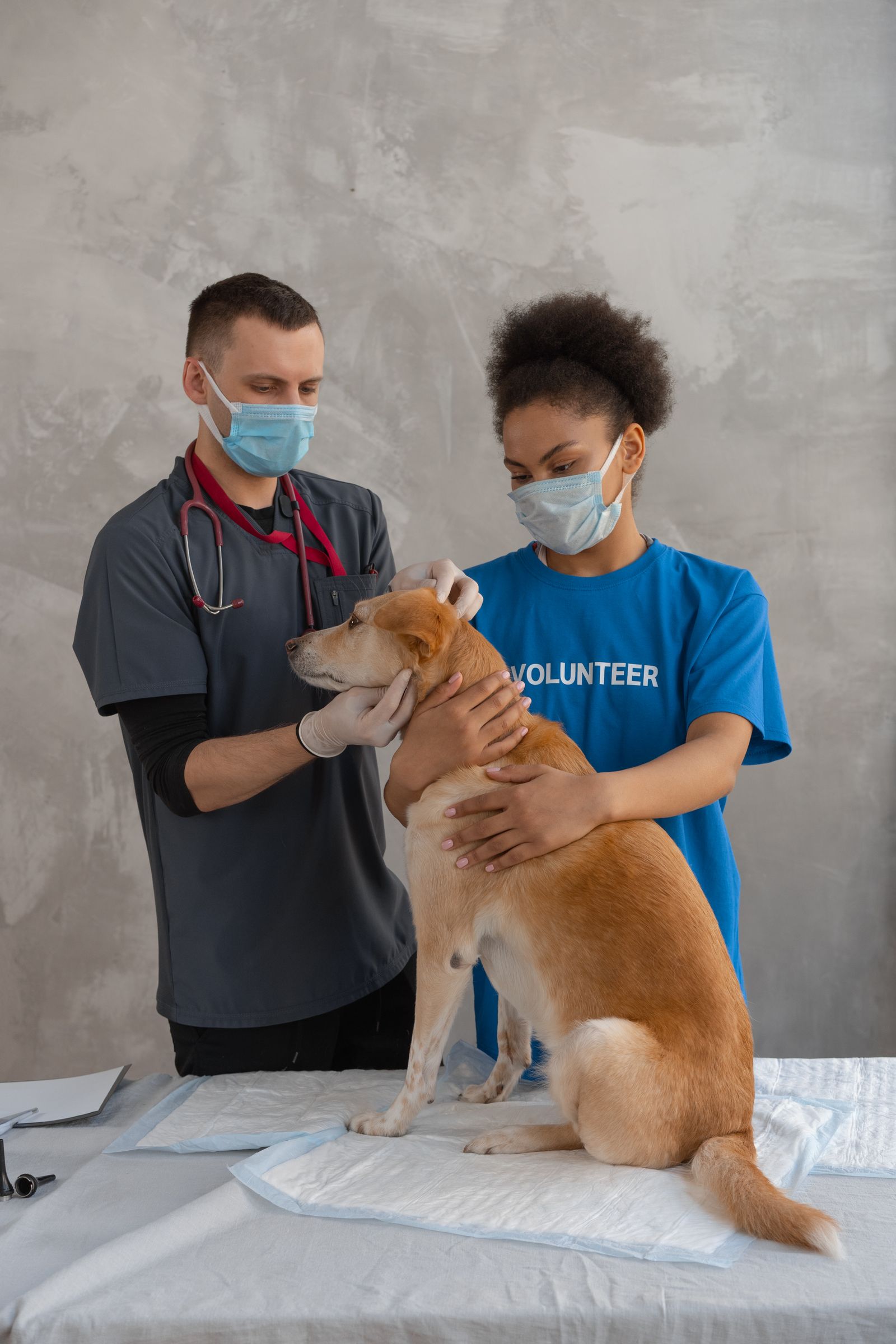
An ESA evaluation and a veterinary appointment answer different questions. An ESA evaluation considers the person’s clinical needs and whether an animal provides relevant emotional support. A veterinary visit addresses the animal’s health. Organizing the two appointments separately can help you bring useful information and avoid expecting one document to do every job.
Start with the question you need answered: Is this about my own clinical needs, my animal’s health, or the administrative steps in a housing request? More than one appointment may be relevant, but the purpose of each should be clear before you book.
An ESA evaluation focuses on the person
When seeking an ESA evaluation, describe your own situation honestly and ask the evaluating professional to explain the scope of the appointment. Useful discussion can include the support your animal provides, your difficulties in daily life and any questions the professional needs to explore. Paying for an evaluation does not predetermine its conclusion.
Ask whether the service is a focused assessment, ongoing care or both. Do not assume that receiving a document means you have enrolled in continuing therapy. If you want support beyond the assessment, ask what follow-up is available and how to arrange it. Our online evaluation preparation guide covers practical appointment arrangements.
A veterinary visit focuses on the animal
The Schwarzman Animal Medical Center describes a veterinary wellness exam as a check-up concerned with a pet’s health. The veterinarian examines the animal and discusses its care. That is a different purpose from evaluating a person’s clinical need for emotional support.
For a veterinary appointment, prepare questions about the animal rather than rehearsing your ESA history. Bring the records the clinic requests, and explain any changes you have noticed. Contact the clinic directly when you are unsure whether to book routine care or a different type of appointment.
Keep clinical and animal records in separate folders
A simple two-folder system can make both appointments easier. One folder can hold your evaluation instructions, questions and correspondence with the human-care provider. The other can hold veterinary records, vaccination information, medications and the animal-care contacts you normally use.
Before uploading anything, confirm who will receive it and why it is needed. A request for an animal’s health record is not automatically a request for your full clinical history. Send only the information relevant to the stated purpose, through the recipient’s appropriate channel. If a request is unclear, ask for a specific description of the document needed.
Describe the document by its purpose
Names can cause confusion. An evaluation report, a signed ESA letter, a veterinary record and an animal travel certificate are different documents. When somebody asks for paperwork, ask which document they mean, who should issue it and what process it is meant to support. Do not rename or edit a professional document to make it appear to serve a different purpose.
For example, a veterinary invoice confirms a transaction with an animal-care practice. It does not describe the outcome of a separate human clinical assessment. Likewise, an ESA letter is not a substitute for veterinary instructions about your animal’s health. Use the original document and contact its issuer when something needs clarification.
Use a three-question booking note
Before making an appointment, write down: What question am I trying to resolve? Which professional or team handles it? What records have they requested? Keep the note brief enough to use during a phone call. If you are contacting both a clinic and an evaluation service, record each answer separately so the instructions do not become mixed together.
For MyPetESA’s evaluation steps, review How It Works. Questions about an animal’s symptoms, medication or veterinary examination should go to the animal’s veterinarian. Questions about your own clinical needs belong with an appropriately qualified human-care professional.
Sources and photo credit
Reviewed November 2, 2026. Animal-care reference: Schwarzman Animal Medical Center: What Is a Veterinary Wellness Exam?. The appointment-sorting and recordkeeping checklists are editorial tools. Photo by Mikhail Nilov on Pexels, under the Pexels License. Illustrative stock photo; the people shown are not identified as MyPetESA providers or clients.
Helpful answers
Frequently asked questions
Does my dog’s check-up evaluate my own need for an ESA?
The appointments have different purposes. Ask an appropriately qualified human-care professional about your clinical needs and your veterinarian about the animal’s health.
Should I cancel routine veterinary care after an ESA evaluation?
An ESA evaluation does not replace animal health care. Follow the care arrangements you have discussed with your veterinarian.
What if I am unsure which paperwork someone wants?
Ask for the document’s name, purpose and intended issuer before sending records or booking another appointment.
Can I edit a professional document myself?
Ask the issuing professional to clarify or correct the document. Preserve the original rather than changing its wording or purpose yourself.