MyPetESA guidance
How to Get an ESA Letter for Your Dog
For many people, a dog is more than a companion. The presence of a dog can provide comfort, emotional stability, and support during difficult periods. When a person has a qualifying disability and a qualified professional determines that the dog provides disability-related emotional support, the dog may be considered…
Updated October 14, 2026
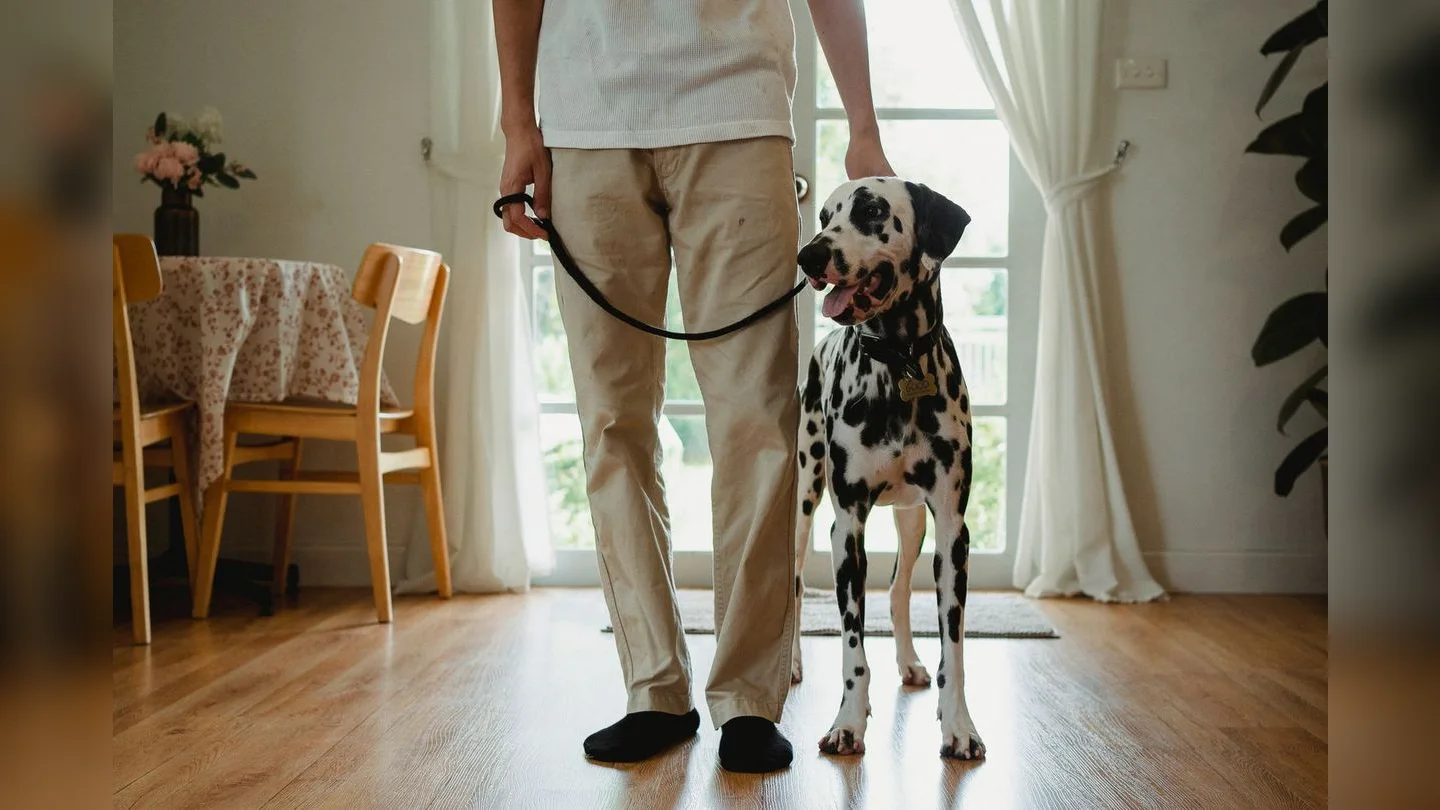
Illustrative stock photo; not actual MyPetESA clients or providers. Photo: Pexels.
For many people, a dog is more than a companion. The presence of a dog can provide comfort, emotional stability, and support during difficult periods. When a person has a qualifying disability and a qualified professional determines that the dog provides disability-related emotional support, the dog may be considered an emotional support animal (ESA).
If you are looking for an ESA letter for dog needs, it is important to understand that an ESA letter is not the same as a registration, certificate, or ID card. A legitimate letter should be based on an evaluation by an appropriately qualified healthcare professional.
What Is an ESA Letter for a Dog?
An ESA letter is documentation from a qualified healthcare professional stating that a person has a disability-related need for an emotional support animal.
When the animal is a dog, people commonly search for terms such as ESA letter for dogs, letter for ESA dog, or ESA dog. These phrases generally refer to documentation supporting the person's need for their dog as an emotional support animal.
The focus is on the person's disability-related need for the animal, not on giving the dog a special certification.
Can a Dog Be an Emotional Support Animal?
Yes. Dogs are among the most common types of emotional support animals.
An emotional support animal dog can provide companionship and emotional support that may help alleviate certain effects of a person's disability. Unlike a service dog, an ESA dog does not need to be trained to perform specific disability-related tasks under the ADA's service-animal definition.
However, simply owning a dog or finding the dog emotionally comforting does not automatically make it an ESA. There needs to be a legitimate disability-related need.
Who Can Get an ESA Letter for Their Dog?
An ESA letter may be appropriate for someone who:
- Has a qualifying mental or emotional disability.
- Experiences effects that impact important areas of daily life.
- Has a disability-related need for an emotional support animal.
- Is evaluated by an appropriately qualified professional.
- Receives an ESA letter based on that professional's independent assessment.
There is no universal diagnosis that automatically guarantees eligibility. A qualified professional should consider the individual's circumstances and determine whether an ESA is appropriate.
How to Get an ESA Letter for Your Dog
Getting an ESA letter for dog use should involve an actual evaluation rather than simply purchasing an online certificate.
1. Consider Your Disability-Related Needs
Think about how your dog supports you. For example, your dog's presence may help you manage certain symptoms or effects associated with a mental or emotional disability.
Be prepared to explain these circumstances honestly during your evaluation.
2. Complete an Evaluation
An appropriately licensed healthcare or mental health professional can evaluate your circumstances. They may discuss your symptoms, daily functioning, and the role your dog plays in providing emotional support.
The professional should make their own determination about whether an ESA is appropriate.
3. Receive Your ESA Letter if Appropriate
If the professional determines that you qualify, they may provide an ESA letter documenting your disability-related need for an emotional support animal.
The documentation should be consistent with applicable requirements and the professional's clinical judgment.
4. Use the Letter for Its Intended Purpose
An ESA letter is commonly relevant when requesting a reasonable accommodation in housing. If you plan to use your letter for another purpose, check the specific rules that apply because ESA protections are not the same in every situation.
What Should an ESA Letter Include?
The exact contents can vary depending on the circumstances and applicable requirements. Generally, legitimate documentation should come from an appropriately qualified professional and address the person's disability-related need for an assistance animal.
You should be cautious about documents that promise guaranteed approval without an evaluation or claim that an online registration automatically gives your dog legal status.
Does Your Dog Need to Be Registered as an ESA?
No federal ESA registration database is required to make a dog an emotional support animal.
You may see websites selling ESA registrations, certificates, tags, or ID cards. These products should not be confused with an ESA letter from a qualified professional.
If you need documentation for a housing accommodation, the relevant question is whether you and your dog meet the applicable requirements—not whether the dog appears in an online registry.
Does an ESA Dog Need Special Training?
Generally, no. An ESA dog does not need the specialized task training required of a service dog.
However, the dog should be appropriately behaved and manageable. Housing providers may have legitimate concerns in certain circumstances, including issues involving safety, property damage, or the animal's behavior.
An ESA dog also does not automatically have the same public-access rights as a service dog under the ADA.
ESA Dog vs. Service Dog
The terms ESA dog and service dog are sometimes used interchangeably, but they describe different roles.
An ESA dog provides disability-related emotional support. A service dog is generally trained to perform specific work or tasks directly related to a person's disability.
For example, a dog that provides comfort simply by being present may serve as an ESA. A dog trained to recognize a psychiatric episode and perform a specific response may qualify as a psychiatric service dog.
Having an ESA letter does not turn an ESA dog into a service dog.
Can an ESA Letter Help With Housing?
Potentially, yes. Under applicable fair housing laws, a person with a disability may be able to request reasonable accommodation for an assistance animal.
An ESA letter may provide relevant documentation when a housing provider needs information supporting the disability-related need for the animal.
However, an ESA letter does not guarantee approval in every housing situation. Housing providers may evaluate accommodation requests according to applicable federal, state, and local requirements.
How MyPetESA Can Help
If you believe your dog provides meaningful disability-related emotional support, MyPetESA can help you understand the process for seeking an ESA letter for dogs.
The process should focus on an appropriate professional evaluation and genuine disability-related need. MyPetESA's services are designed to connect individuals with qualified professionals for ESA-related evaluations and documentation when appropriate.
Remember that an ESA letter is documentation of a person's disability-related need; it is not an animal registration or certification.
Helpful answers
Frequently asked questions
Can my dog be an emotional support animal?
Yes. A dog may qualify as an ESA when a person has a qualifying disability and a qualified professional determines that the dog provides disability-related emotional support.
How do I get an ESA letter for my dog?
You generally need an evaluation from an appropriately qualified healthcare professional. If they determine that you qualify, they may provide an ESA letter.
Does my ESA dog need to be registered?
No. An online registration or certificate is not required to establish an ESA.
Does an ESA dog need special training?
No. Unlike a service dog, an ESA dog does not generally need to perform specific disability-related tasks.
Can I use an ESA letter for housing?
An ESA letter may support a housing accommodation request when the applicable requirements are met. The specific rules depend on your circumstances and location.