
MyPetESA guidance
Indoor Enrichment for an Emotional Support Cat: A Practical Home Plan
Organize an indoor emotional support cat’s space around rest, scratching, play and choice, with a simple observation plan you can maintain.
Updated October 30, 2026
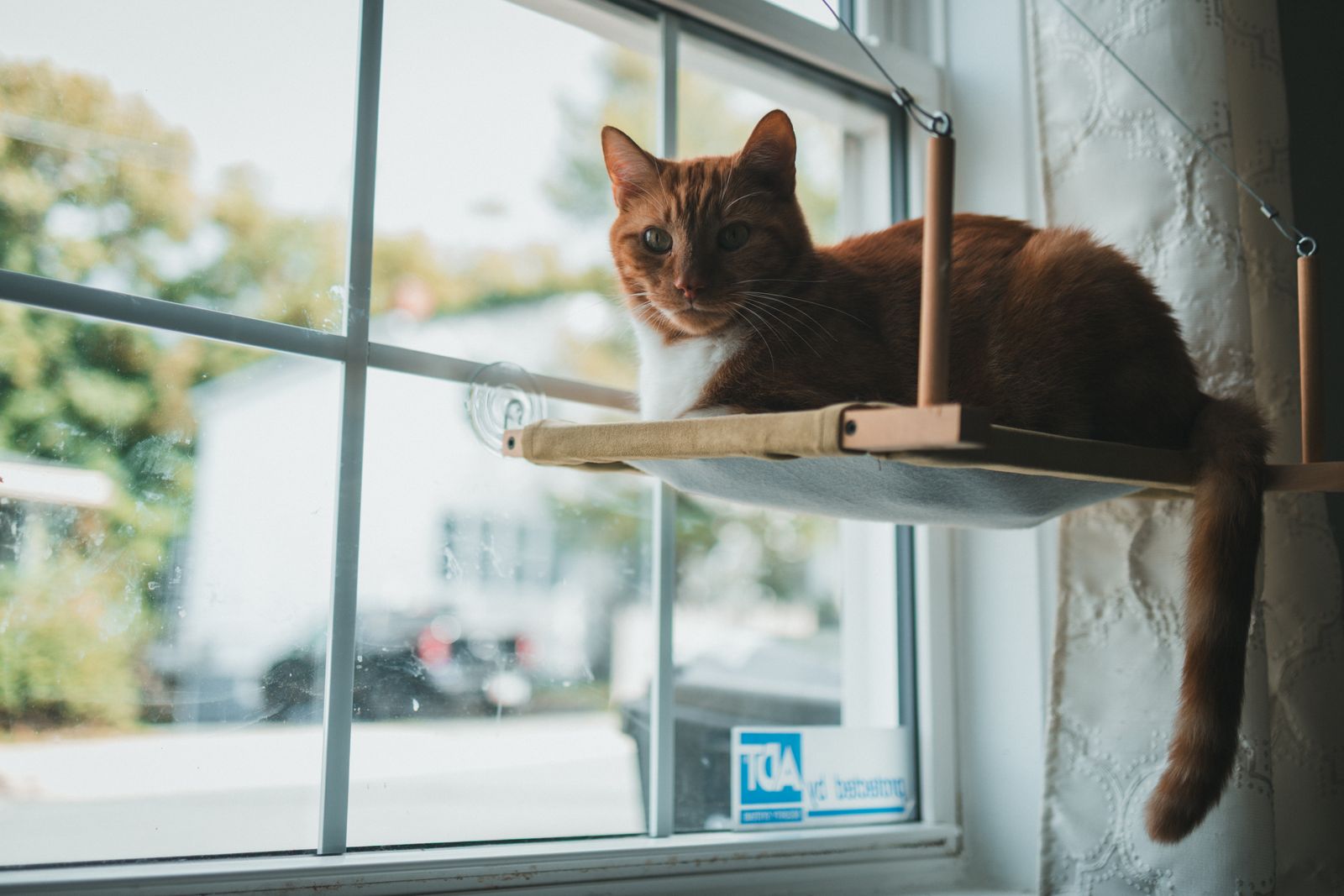
Living with an emotional support cat involves caring for an individual animal as well as recognizing the support its presence provides. A useful home setup starts with ordinary feline needs and a realistic daily routine. It does not need to look like a showroom or require a large shopping list. This guide helps you organize observations and responsibilities; it does not prescribe treatment or determine ESA eligibility.
Look at the room from the cat’s perspective
The Ohio State University Indoor Pet Initiative organizes indoor needs around resources such as litter boxes, scratching areas, places to rest, perches, toys and refuge. These categories can help you review an existing home before buying more equipment. Identify what is available, where it is located and whether the cat actually uses it.
Make a small resource map
Draw a rough outline of the rooms your cat normally uses. Mark feeding supplies, resting places, scratching options and the litter area. Add any busy household routes. The drawing is an organizational tool, not a test with a pass score. Its value is in making an overlooked arrangement visible so you can discuss it with your household or veterinarian.
Next to each resource, write who maintains it and what needs checking. If an item requires assembly or attachment, retain the manufacturer’s instructions and check the installation. Avoid assuming a ledge or a piece of furniture is suitable simply because it appears in a photograph. Your actual space and animal matter more than an aesthetic example.
Offer opportunities without forcing interaction
Use the university’s resource categories as prompts for questions: Where can the cat withdraw? What can it scratch? What resting options are available? Let the cat’s use of its environment guide the conversation. Enrichment is not a requirement to keep the animal constantly occupied or to make every interaction into a training task.
For your own schedule, choose a manageable time to check supplies and offer an appropriate activity. If another person shares responsibility, agree on the task instead of assuming they will notice it. On a busy day, a clear ordinary routine is often easier to carry out than a complicated rotation chart.
Keep a brief observation record
Try a simple note with three headings: what was available, what you observed and what question remains. Describe actions rather than assigning a diagnosis. Record which resource was used and the approximate time if helpful. Do not use the log to prove that a particular object provides a clinical benefit or that your cat must behave in a particular way.
Make one practical adjustment at a time when possible, so you can tell what changed. If you are worried about a change in appetite, elimination, activity or behavior, speak with your veterinarian rather than relying on a household experiment. Keep animal health decisions separate from your own clinical evaluation.
Connect the setup with your care handoff
A helper should be able to find supplies and understand the usual arrangement without reading your assessment. Put the resource map alongside agreed care instructions. Include where items belong after use so the setup remains familiar. For cleaning responsibilities, see our bowls, bedding and supplies guide.
Sources and photo credit
Reviewed October 30, 2026. Resource categories: The Ohio State University Indoor Pet Initiative: Basic Indoor Cat Needs. The mapping and observation exercises above are editorial organization suggestions. Photo by Jonathan Cooper on Pexels, used under the Pexels License. Illustrative photograph; no ESA status or product endorsement is asserted.
Helpful answers
Frequently asked questions
Do I need expensive equipment to start?
Start by reviewing existing resources and how they are used. Cost is not a substitute for an appropriate setup.
Does every cat need the same arrangement?
No. Use general resource categories to identify individual questions, then seek veterinary guidance when needed.
Should I record clinical information on the care map?
Keep the map focused on animal care. Your own assessment answers do not belong on a routine caregiver sheet.
What belongs in the observation note?
Write what was available, what you actually saw and what you want to ask next. Avoid unsupported diagnoses.
Does this guide establish ESA eligibility?
No. A home-care plan and an individual clinical evaluation serve different purposes.