MyPetESA guidance
Halloween With an Emotional Support Animal: A Calm Evening Plan
Plan a quieter Halloween with your emotional support animal: organize door duty, a comfortable retreat, safe storage and a simple care handoff.
Updated October 30, 2026
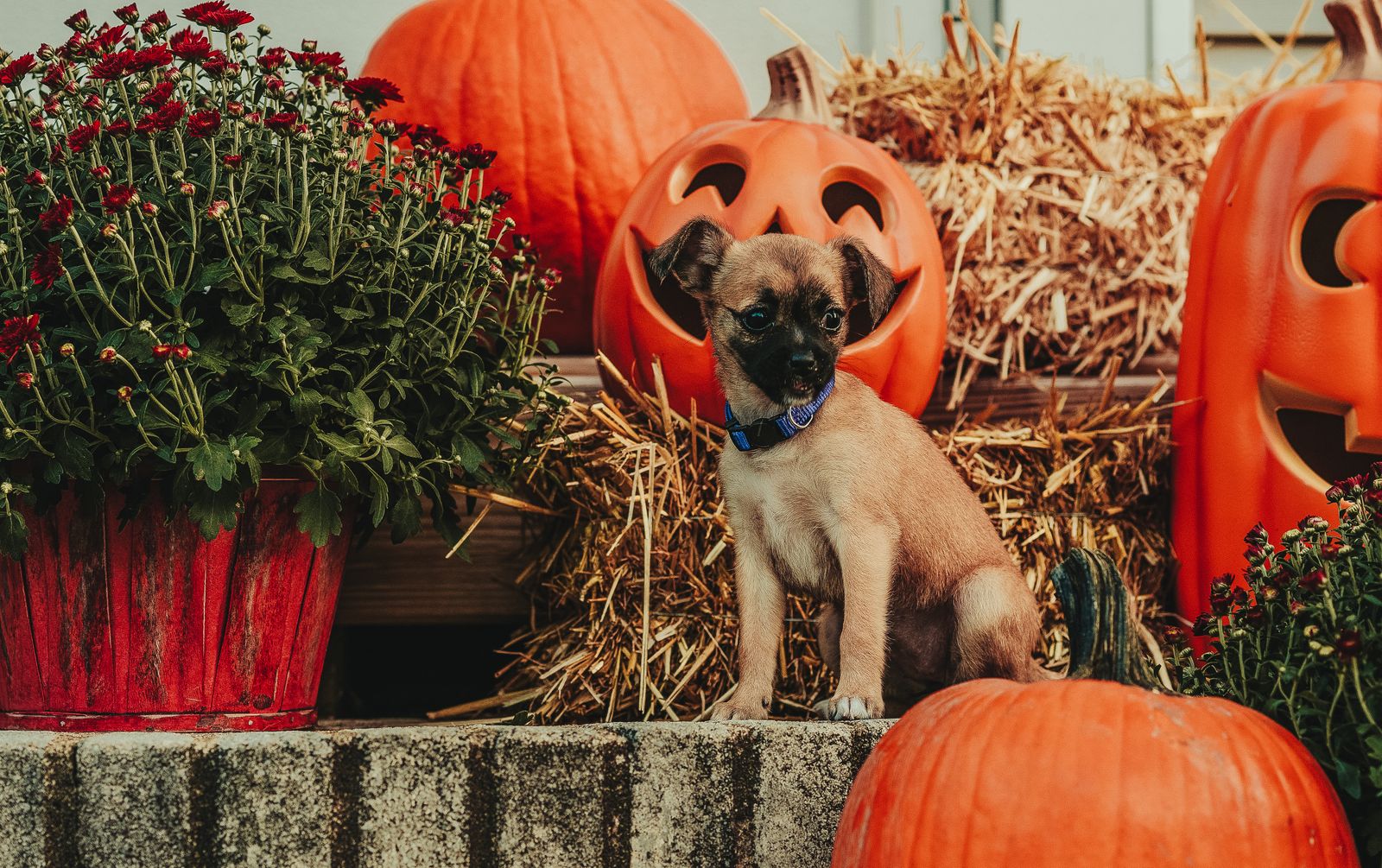
Halloween can change the rhythm of a familiar home. Doorbells, visitors and deliveries arrive at unusual times, while a person who relies on an emotional support animal may also want a predictable evening. Planning ahead gives you fewer decisions to make once the door starts ringing. This guide offers a household planning exercise, not a promise that an animal or a person will remain calm.
Choose how you want the evening to work
Write down whether you are hosting, answering the door or keeping the evening quiet. Decide who will handle visitors and who will remain available for animal care. If you live with other people, share the plan before the event. A specific arrangement such as one person managing deliveries is easier to follow than a general request to be careful.
Prepare a comfortable space away from visitors
ASPCA recommends a separate, comfortable room away from the entrance for animals that are not comfortable with the activity. Make familiar bedding and appropriate activities available. Arrange the space before visitors arrive, rather than improvising during a busy moment.
Add the location to your household plan and tell everyone which door should stay closed. If another person will help, explain the ordinary routine and what you want them to do if the arrangement stops working. An animal-care plan should describe practical responsibilities, without requiring you to circulate private clinical information.
Keep treats, decorations and costumes in perspective
ASPCA warns that chocolate and candy containing xylitol can be dangerous to pets. Keep candy secured, watch loose costume pieces and avoid open flames within reach. Costumes should not restrict an animal, and an outfit that causes distress should be removed. Contact a veterinarian promptly if a toxic exposure is suspected; do not improvise treatment.
Give yourself a short decision list
A useful note can contain five items: who handles the entrance, where the animal will rest, where treats are stored, the next ordinary care task and who can help if you need a break. Put contact information where the agreed caregiver can find it. You do not need an elaborate event schedule; the purpose is to reduce avoidable confusion.
Keep your own support preferences separate from the animal instructions. You might prefer fewer interruptions or a check-in from someone you trust. Describe what would help and what that person has actually agreed to do. For a longer absence, use our backup-care handoff guide.
Review the plan after the event
The next day, note which parts were useful and which created extra work. A short observation such as the entryway was too busy is more useful for future planning than declaring the whole evening a success or failure. Carry the helpful parts into other visitor-heavy days. Keep health or behavior questions for the appropriate professional rather than treating the checklist as an assessment.
Sources and photo credit
Reviewed October 30, 2026. Animal-safety reference: ASPCA Halloween Safety Tips. The decision list and household handoff suggestions are editorial planning tools. Photo by Juan Vargas on Pexels, used under the Pexels License. Illustrative photograph; no ESA status is asserted.
Helpful answers
Frequently asked questions
Should my emotional support animal join every Halloween activity?
Plan around the individual animal and your actual needs. Participation is not a requirement of this care checklist.
Do I need to buy a costume?
No. A costume is optional and should never take priority over the animal’s comfort and safety.
What should I tell a helper?
Share the location, agreed tasks, ordinary routine and relevant contacts. Keep unrelated clinical records private.
What if my animal gets into candy?
Contact a veterinarian promptly and describe what may have been eaten. Keep the packaging available.
Can I use this plan for another holiday?
Yes. Adapt the visitor arrangements and care handoff to the event, without assuming every animal reacts in the same way.