MyPetESA guidance
Sniff Walks With Your Emotional Support Dog: A Practical Planning Guide
Plan a dog-led sniff walk around a suitable route, flexible timing and a simple observation note, without turning every outing into a distance target.
Updated October 31, 2026
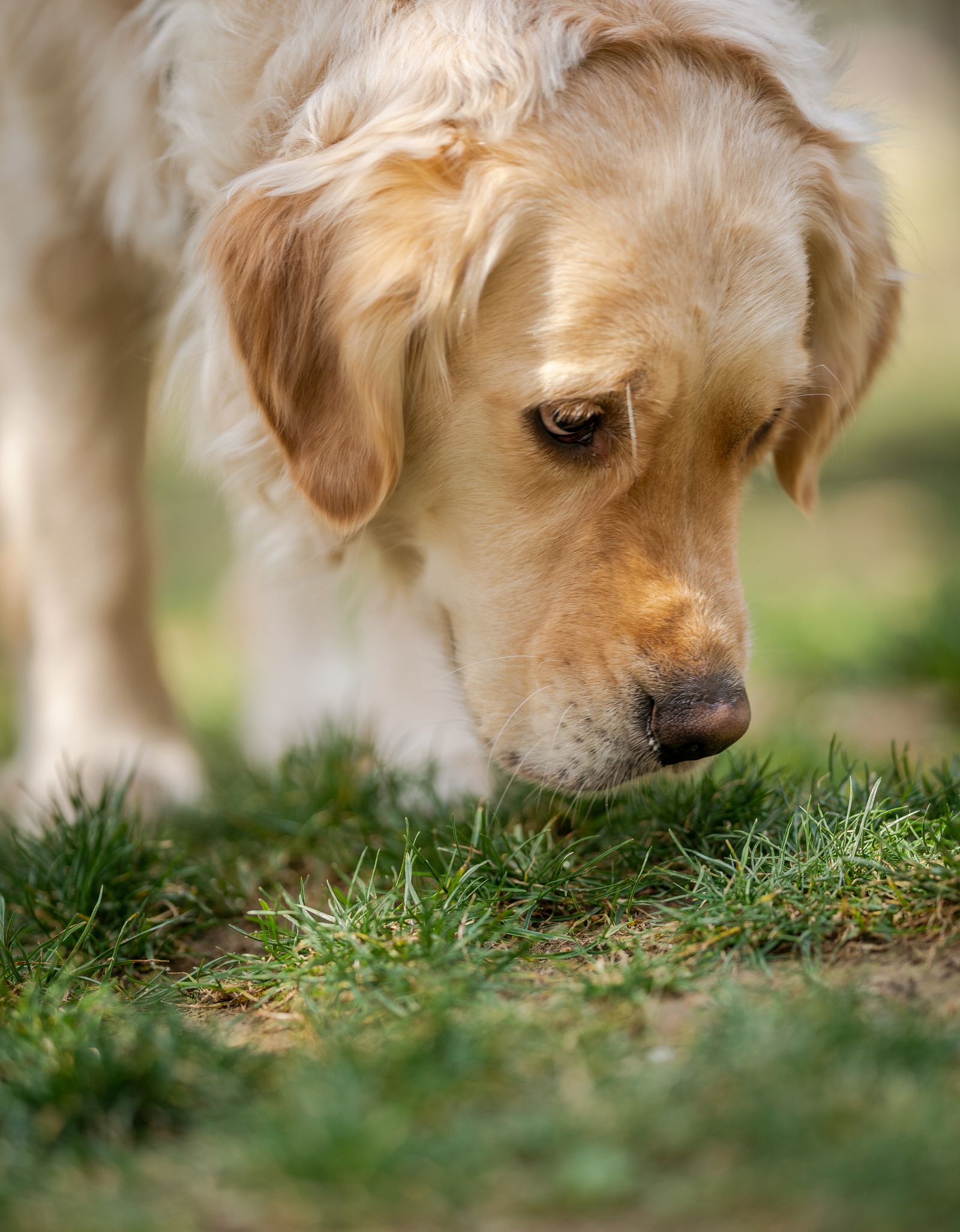
A walk does not have to be a race around the block. Some outings can leave room for your dog to pause and investigate familiar smells while you follow a manageable plan. For someone living with an emotional support dog, a clearly organized outing can also be easier to fit around work, appointments and shared care.
A sniff walk is an everyday enrichment activity, not a clinical treatment or a test of an animal’s ESA status. This guide helps you organize one without assigning a distance, speed or guaranteed emotional outcome to every dog and person.
Decide what this particular outing is for
Before leaving, separate the practical tasks. Does your dog need a bathroom break, a longer exercise outing, or time to explore a suitable area? A rushed trip before a meeting may not be the right occasion for an open-ended route. Put the exploration walk in a part of the day where you can allow some flexibility.
ASPCA’s canine-enrichment guidance recommends allowing dogs to use their noses, including walks at the dog’s pace with opportunities to stop and investigate. That is the core idea here. It does not mean following your dog into every area or removing the usual boundaries that keep an outing manageable.
Choose a route with an easy way home
Sketch a short loop or an out-and-back route you know. Mark a possible turnaround point and a simple alternative if the area is busy. The route does not need to be novel to be worth using. Having a familiar exit can make it easier to change plans without feeling committed to finishing an arbitrary circuit.
Check access rules for the location and use appropriate handling equipment. Keep your dog away from traffic, unsafe materials and situations you cannot manage. If weather, mobility or health limits affect the outing, adapt it with advice from the relevant professional rather than following a generic duration target.
Leave room for pauses without losing the plan
Think in terms of a flexible window rather than a step count. You might decide that one part of an ordinary route is the exploration portion and another part is the return home. You remain responsible for where the dog goes, even when giving it more choice about where to pause.
Avoid adding a list of achievements to the walk. You do not need to visit a certain number of trees, find a new route every day or buy a special product for the outing to have a clear purpose. Start with the equipment and arrangements that already work for you and your dog.
Make shared walks easy to hand over
If another person sometimes walks your dog, explain the route, usual boundaries and how to contact you. Describe the arrangement in practical language: “Use the quieter loop and return by the agreed time.” Do not assume that asking for a sniff walk communicates all the details a helper needs.
Keep the care note separate from your clinical records. A walker generally needs animal-care instructions and emergency contacts, not the answers from your ESA evaluation. For a fuller handoff, see our backup-care planning guide.
Review the route, not your performance
Afterward, write one useful observation: the entrance was crowded, a quieter time worked better, or the route was awkward to fit before work. Choose one adjustment for next time. This keeps the plan focused on practical improvements rather than judging whether you or your dog had a perfect outing.
If a walk repeatedly feels difficult to manage, ask for individualized help. A veterinarian can address animal-health concerns, and an appropriately qualified behavior professional can help with handling or behavior questions. Do not interpret a challenging walk as proof about whether someone qualifies for an emotional support animal.
Sources and photo credit
Reviewed October 31, 2026. Enrichment reference: ASPCA Canine DIY Enrichment. The route worksheet, scheduling and handoff suggestions are original editorial planning tools. Photo by Kureng Workx on Pexels, used under the Pexels License. Illustrative photo; no ESA status or endorsement is implied.
Helpful answers
Frequently asked questions
How long should a sniff walk last?
There is no universal duration in this planning guide. Consider the individual dog, conditions and any professional care instructions.
Does sniffing replace every other kind of activity?
Use it as one part of an individual care routine. It is not a substitute for meeting other care needs.
Do I need to use a new route each time?
No. A familiar route with a clear turnaround may be easier to maintain than constantly planning somewhere new.
Will a sniff walk treat my anxiety?
This article makes no treatment claim. Discuss your own symptoms and care plan with a qualified mental health professional.